
Java Neo ECO vs Java Neo 3: What's the Difference?
Java Neo ECO vs Java Neo 3: What's the Difference?
The Java Neo 3 ECO and Java Neo 3 share the Java Neo trifold name, but they are not the same specification. The clearest comparison begins with the exact model: the current ECO is a 20-inch full-aluminium bike with Shimano 7-speed gearing, while the Java Neo 3 range includes both a 16-inch aluminium model and a 20-inch aluminium model with Shimano 9-speed gearing.
This guide uses the specifications published in the Java Neo collection. It helps you compare the present listings without assuming that parts, weights or compatibility carry across every Java Neo.
Java Neo ECO vs Java Neo 3 comparison
| Model | Wheel size | Frame | Gearing | Approx. listed weight |
|---|---|---|---|---|
| Java Neo 3 ECO | 20 inch | Full aluminium | Shimano 7-speed | 11.3 kg without pedals |
| Java Neo 3 16 Inch | 16 inch (349) | 6061-T6 aluminium | Shimano 9-speed | 9.6 kg |
| Java Neo 3 20 Inch | 20 inch (406) | Aluminium alloy | Shimano 9-speed | 10.4–10.7 kg depending on fork edition |
The comparison shows two separate questions. First, do you want 16-inch or 20-inch wheels? Second, within the 20-inch choices, do you prefer the ECO’s value-focused 7-speed specification or the Neo 3 20’s 9-speed setup?
What defines the Java Neo 3 ECO?
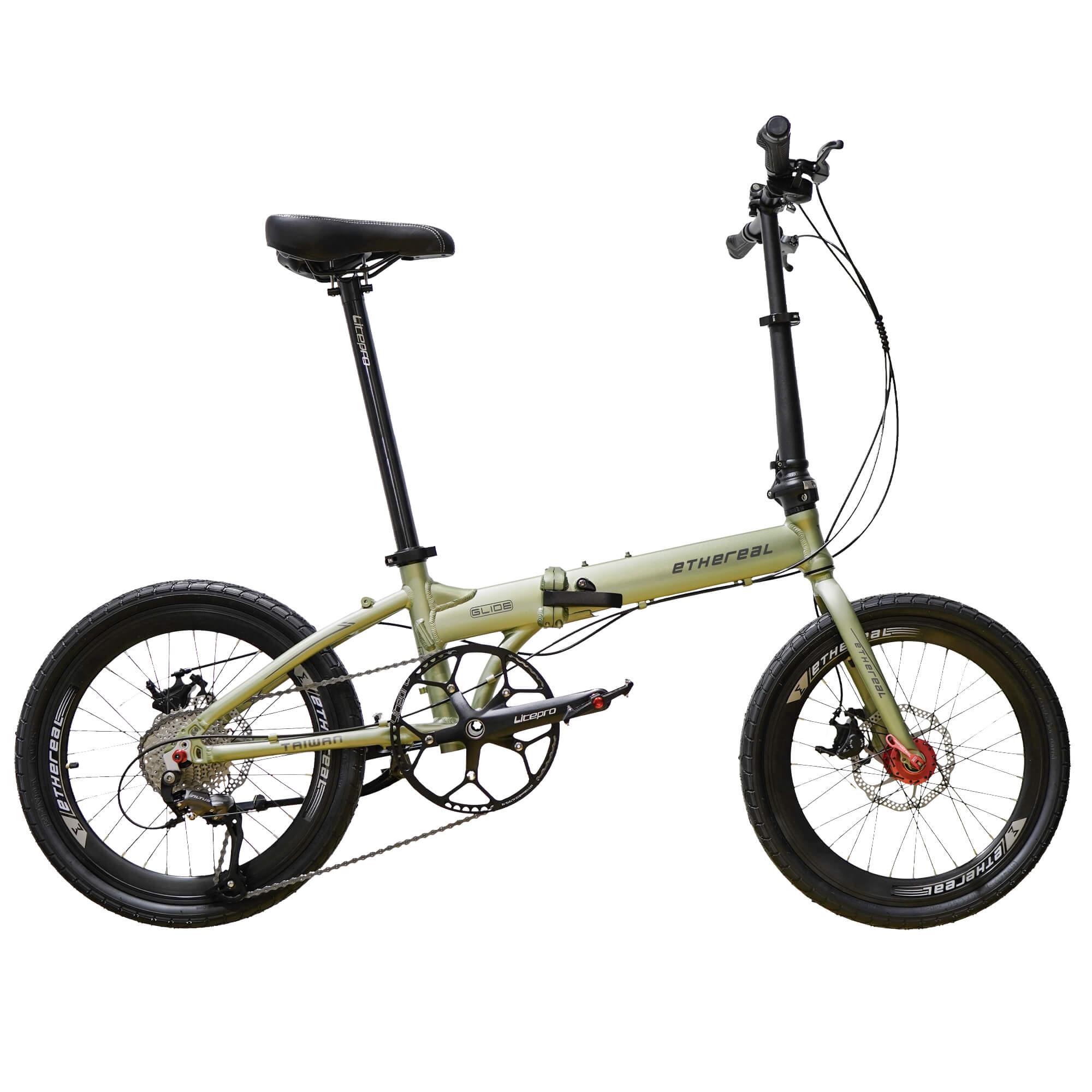
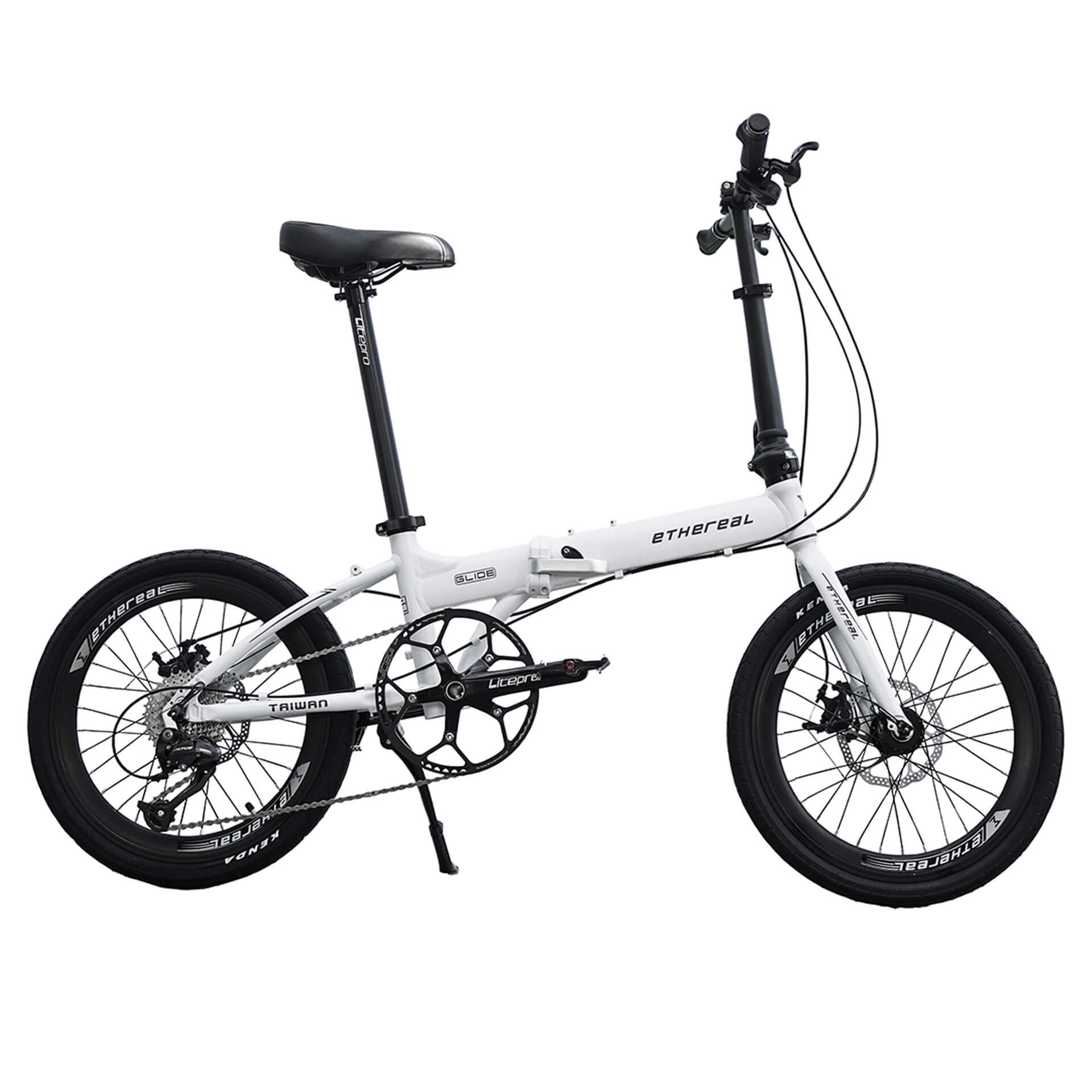
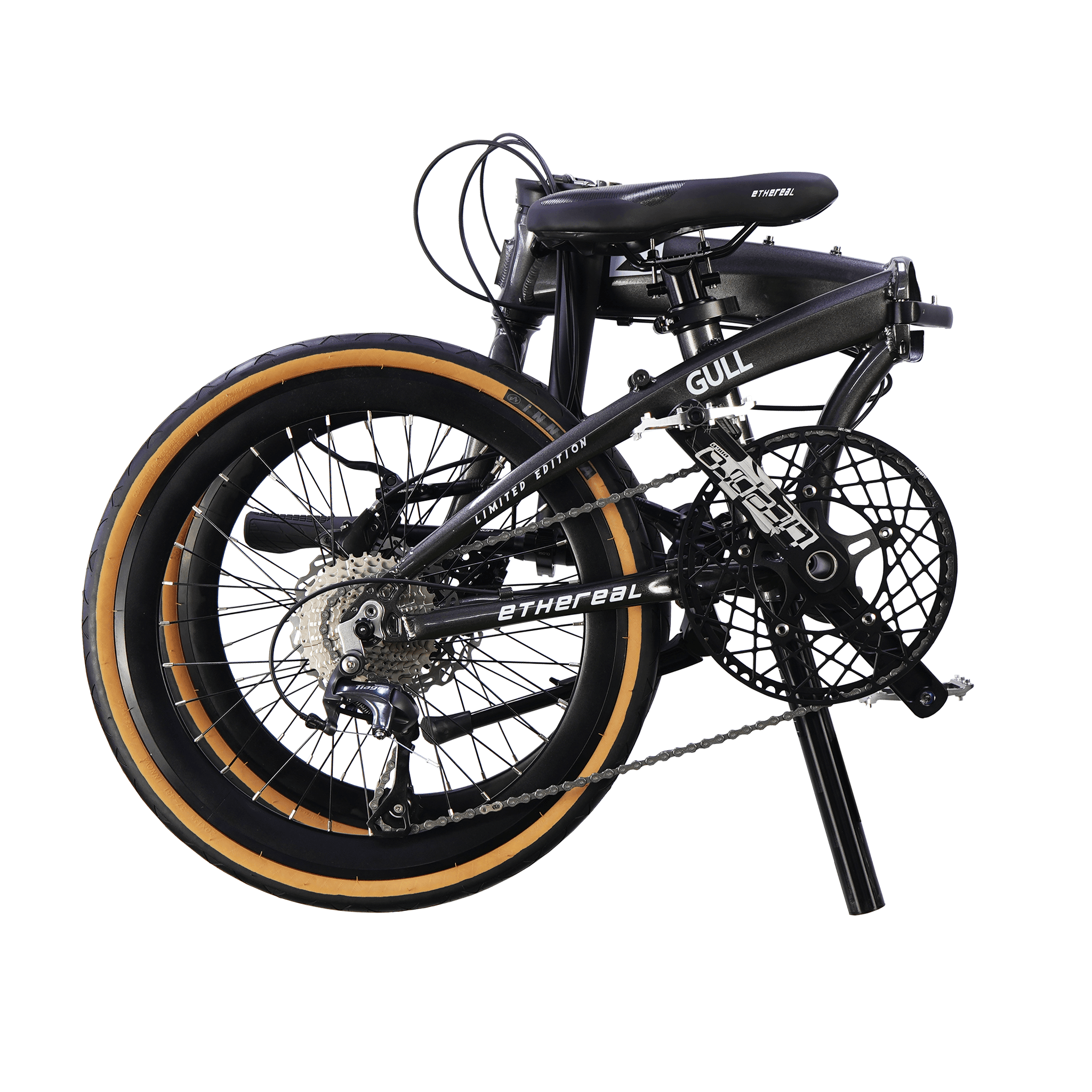
The store positions the ECO as the value-focused 20-inch option. Its published specification lists a full-aluminium frame, Shimano 7-speed gearing and an approximate weight of 11.3 kg without pedals. This makes the ECO easy to place in the range: it is for buyers who want a 20-inch Java Neo and do not need the higher gear count listed for the Neo 3 models.
The weight note matters. Because the published ECO figure excludes pedals, compare like with like when evaluating the bike against another listing. Accessories and later modifications can also change the finished weight.
Reasons to shortlist the ECO
- You want the value-focused entry in the current 20-inch Java Neo range.
- Shimano 7-speed gearing meets your needs.
- You prefer a full-aluminium frame.
- You will verify any planned upgrade against the ECO compatibility stated on its product page.
What defines the Java Neo 3?
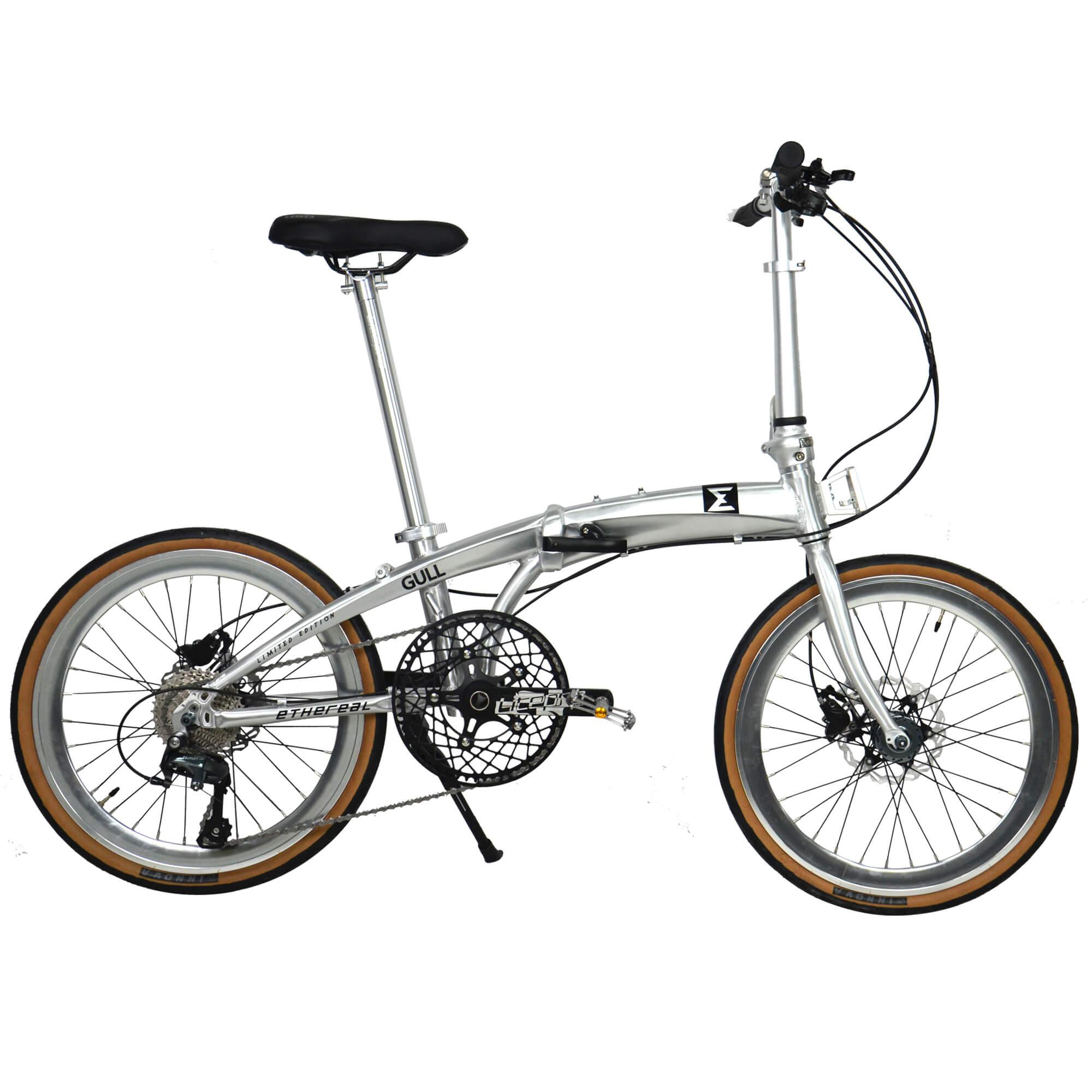
The Java Neo 3 name currently covers two wheel sizes. The 16-inch model uses 349 wheels, a 6061-T6 aluminium frame and Shimano 9-speed gearing. Its listed weight is about 9.6 kg. The 20-inch model uses the 406 wheel format, an aluminium-alloy frame and Shimano 9-speed gearing. Its listed weight is approximately 10.4–10.7 kg, depending on fork edition.
That means “Neo 3” is not a complete buying decision. You still need to choose the wheel size and confirm the exact fork or variant shown on the product page.
Reasons to shortlist a Neo 3
- You want Shimano 9-speed gearing from the current aluminium range.
- You want a choice between 16-inch (349) and 20-inch (406) wheel formats.
- You want the lower current listed weight of the 16-inch model or the larger wheel format of the 20-inch model.
- You are comparing upgrades designed around a named Neo 3 configuration.
ECO vs Neo 3 20 Inch
The most direct comparison is between the two 20-inch aluminium bikes. The ECO is listed with Shimano 7-speed gearing and approximately 11.3 kg without pedals. The Neo 3 20 is listed with Shimano 9-speed gearing and approximately 10.4–10.7 kg depending on fork edition.
Choose according to the specification you value, not the model name alone. The ECO is the simpler value-focused route. The Neo 3 20 adds the published 9-speed setup and has different listed weights by fork edition. Current price, availability and variant details should be checked on the linked pages because those details can change.
ECO vs Neo 3 16 Inch
This comparison changes both wheel size and specification. The ECO is a 20-inch bike with Shimano 7-speed gearing. The Neo 3 16 uses 16-inch (349) wheels and Shimano 9-speed gearing. The Neo 3 16 also has the lower published weight, although the ECO figure excludes pedals.
If storage and carrying are major filters, the smaller wheel format and listed 9.6 kg weight make the Neo 3 16 the relevant comparison. If you specifically want the 20-inch platform and a value-focused build, the ECO remains the clearer candidate.
Plan upgrades around the exact bike
The Java Neo Upgrades collection includes parts that name specific frame, wheel and setup compatibility. One example is the Java Neo wheel-clearance adapter, whose product page lists Java Neo 16, Java Neo 20 and Java Neo 3 ECO compatibility, then separates variants by tyre and rack or extender setup.
This illustrates the safest approach: start with the exact bike, then match wheel size, frame or fork type, tyre width, rack and extender. A product that fits one Neo 3 or ECO setup should not automatically be treated as universal.
A five-step choice
- Confirm whether you want 16-inch or 20-inch wheels.
- Compare Shimano 7-speed on the ECO with Shimano 9-speed on the Neo 3 models.
- Read the weight notes, including the ECO’s “without pedals” qualifier and the Neo 3 20 fork-edition range.
- Open the exact product page to confirm the current variant and included equipment.
- If upgrades matter, verify every part against your complete setup before ordering.
Frequently asked questions
Is the Java Neo ECO a Java Neo 3?
The current product is named Java Neo 3 ECO, but its listed specification differs from the Java Neo 3 16 and Java Neo 3 20. Treat it as its own model when comparing gearing, weight and compatibility.
Does the ECO have the same number of gears as the Neo 3?
No. The current ECO listing states Shimano 7-speed. Both current Neo 3 aluminium models are listed with Shimano 9-speed.
Which model is lightest in this comparison?
The Neo 3 16 has the lowest published figure at about 9.6 kg. The Neo 3 20 is about 10.4–10.7 kg depending on fork edition, and the ECO is about 11.3 kg without pedals.
Where should I check the latest choices?
Use the Java Neo collection and each linked product page for the current range and variant details.
Making the final choice
Choose the ECO when its value-focused 20-inch, 7-speed specification matches your priorities. Choose a Neo 3 when you want Shimano 9-speed and a choice between the current 16-inch and 20-inch aluminium models. Then confirm the exact listing before purchase.